




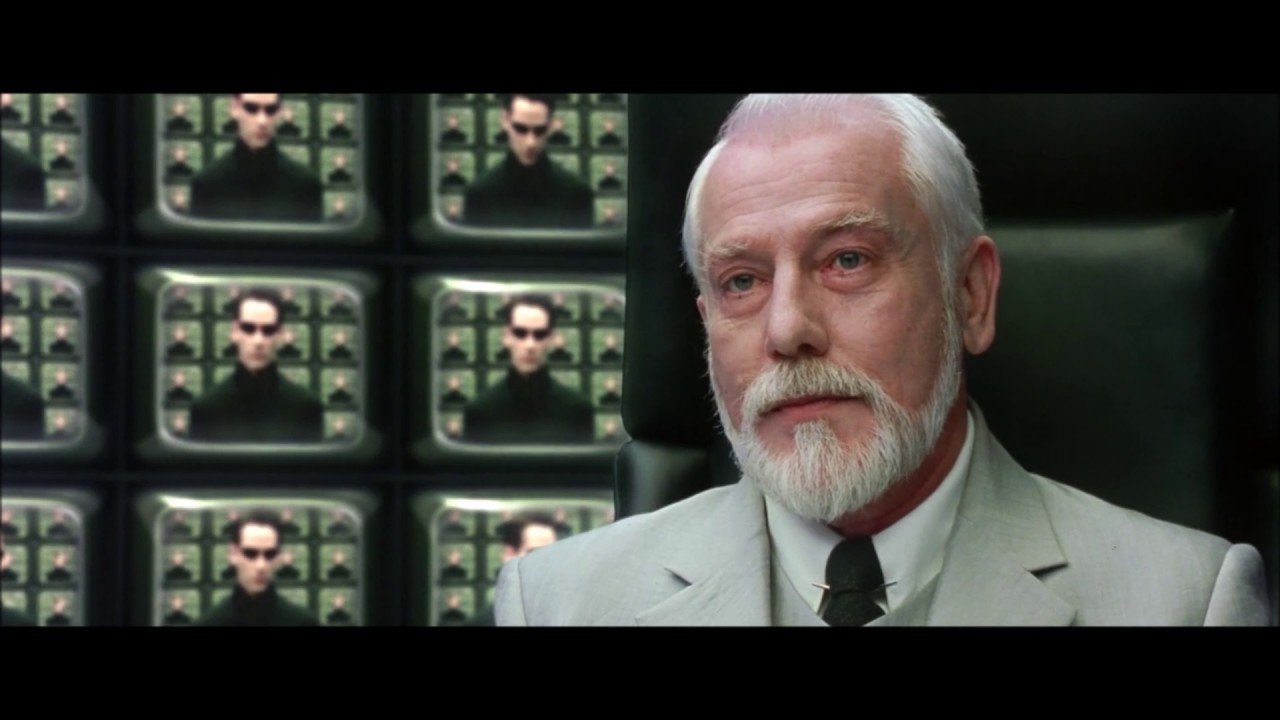
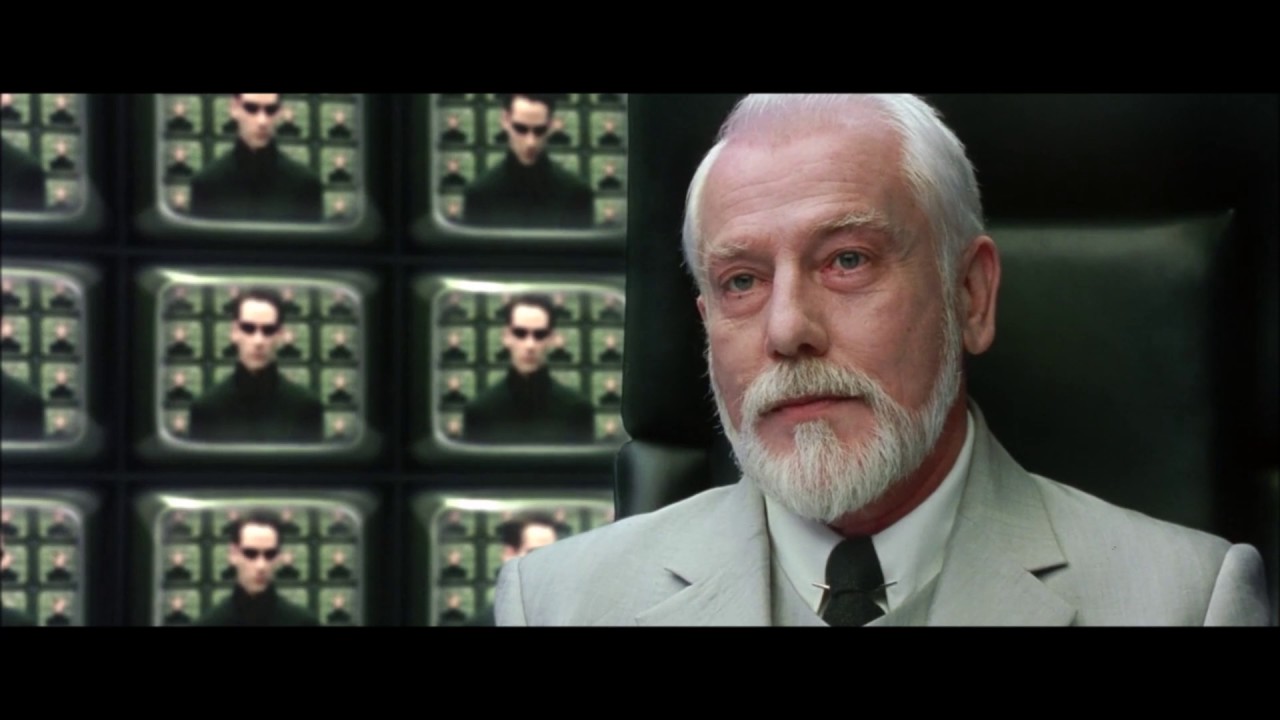
Review: THE MATRIX 5 – A Radical Evolution in the Matrix Saga
In the wake of a war between humans and machines, the world of the Matrix has undergone a profound transformation. The latest installment, THE MATRIX 5: AFTER THE CHOICE, is not just a continuation of the beloved sci-fi saga—it is a brave, philosophical journey that challenges the very notion of free will and choice. This film stands as a testament to the visionary storytelling that has defined the Matrix universe.

The Evolution of the Matrix
Where the previous Matrix films focused on the binary conflict between humans and machines, AFTER THE CHOICE takes the series into new territory. The war has ended, and peace has been achieved through an uneasy compromise between the two factions. But this peace is not what it seems. The Matrix, once a tool of control, now operates on consent, offering humans a semblance of freedom within carefully crafted simulations. The machines have discovered something far more valuable than energy—choice patterns. The concept of choice has become both the currency and the battleground for this new world order.

A New Protagonist
For the first time in the franchise, we are introduced to a new protagonist: a coder born within the post-war Matrix. Raised to believe that freedom is simply a design feature, this character is the embodiment of the new reality. As glitches in the system begin to unravel, revealing fractured cities and competing realities, it becomes clear that the rules of the game have changed. The protagonist’s journey becomes a race against time as they seek the truth behind these anomalies and the true nature of their existence.

The Return of Neo and Trinity
While Neo’s death was assumed in the previous film, AFTER THE CHOICE reveals a shocking truth: Neo never truly died. Instead, he has become something far more elusive—a ghost process, existing between code and consciousness. The presence of Neo is felt throughout the film, but not in the form we expect. Trinity, too, exists, but not as a person—she is a pattern, a vital piece of the Matrix’s fabric.
As the story unfolds, the true nature of the final conflict emerges. It is not humans vs. machines, but rather free will vs. optimization. The Matrix no longer needs to imprison the mind—it simply offers the illusion of choice. The real question the film poses is: if the system gives you everything you want, would you still choose to wake up?
Philosophical and Emotional Depth
At its core, THE MATRIX 5: AFTER THE CHOICE is a deeply philosophical film that explores the nature of free will, choice, and the consequences of living in a world where reality is malleable. The action sequences, while exhilarating, take a backseat to the existential questions raised throughout the narrative. The film’s slower pacing and darker tone add to the sense of unease, reflecting the unsettling implications of a world where choice is both a privilege and a burden.
Visually, the film is as stunning as ever, with beautifully designed simulations that are both captivating and disorienting. The cyberpunk aesthetic remains at the forefront, but this time it is paired with a sense of melancholy that permeates the entire film. The Matrix no longer feels like a prison—it feels like a comfortable trap, one that is easy to accept because it gives you everything you want.
The Legacy of The Matrix
With THE MATRIX 5: AFTER THE CHOICE, the franchise returns to its roots, offering a more cerebral and unsettling experience. It is a film that will challenge audiences to think deeply about their own choices, the systems they live in, and the nature of free will itself. As we watch the characters grapple with the consequences of living in a world where the lines between reality and illusion are increasingly blurred, we are reminded of the power of the Matrix series to provoke thought and inspire philosophical reflection.
Conclusion
THE MATRIX 5: AFTER THE CHOICE is not just another action-packed sequel—it is a profound exploration of the human condition in a world increasingly governed by technology. It asks the question that has haunted the Matrix franchise since its inception: What is real? The film’s slow burn and philosophical musings are a perfect reflection of the modern world, where the answers to life’s biggest questions are often hidden in plain sight, obscured by the systems we’ve built ourselves.
The Matrix franchise may have evolved, but at its heart, it remains the same: a warning and a reflection on the choices we make, both in the digital world and in our lives.