



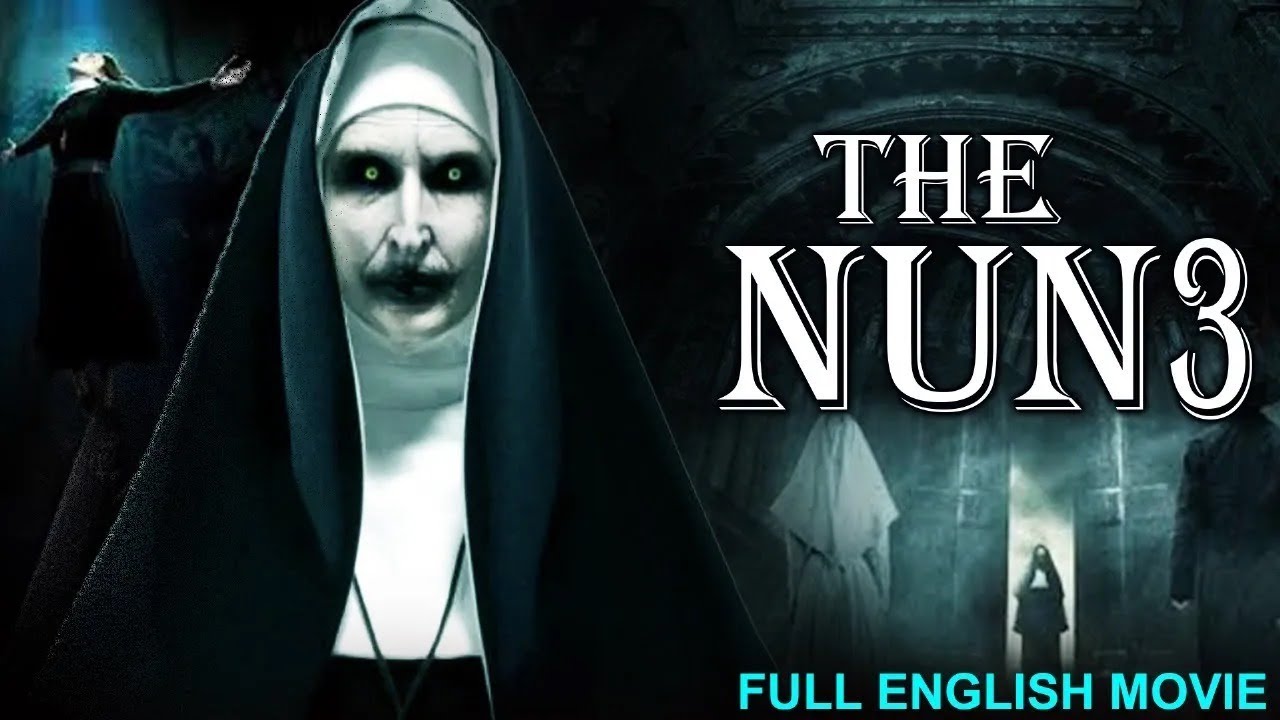
An Uneasy Return to the Darkest Corners of The Conjuring Universe
After years of expanding mythology, escalating body counts, and ever-more elaborate exorcisms, The Conjuring universe has finally arrived at something it has long flirted with but rarely confronted head-on: intimacy. The Nun 3 is not content to merely scare its audience. It wants to accuse, to remember, and to wound. The first trailer suggests a film less interested in shock value than in spiritual reckoning, and that shift may be its most unsettling move yet.

A Story That Turns Memory Into a Battleground
The premise is deceptively simple. The demonic force known as Valak returns, no longer hiding behind the familiar iconography of a nun, but manifesting as something older and more personal. This time, the horror is tethered directly to Lorraine Warren, played once again by Vera Farmiga. A forbidden ritual buried in an abandoned Vatican archive unleashes a curse that forces Lorraine to relive every possession she has ever encountered, twisting her memories into weapons aimed at her faith, her marriage, and her sense of self.
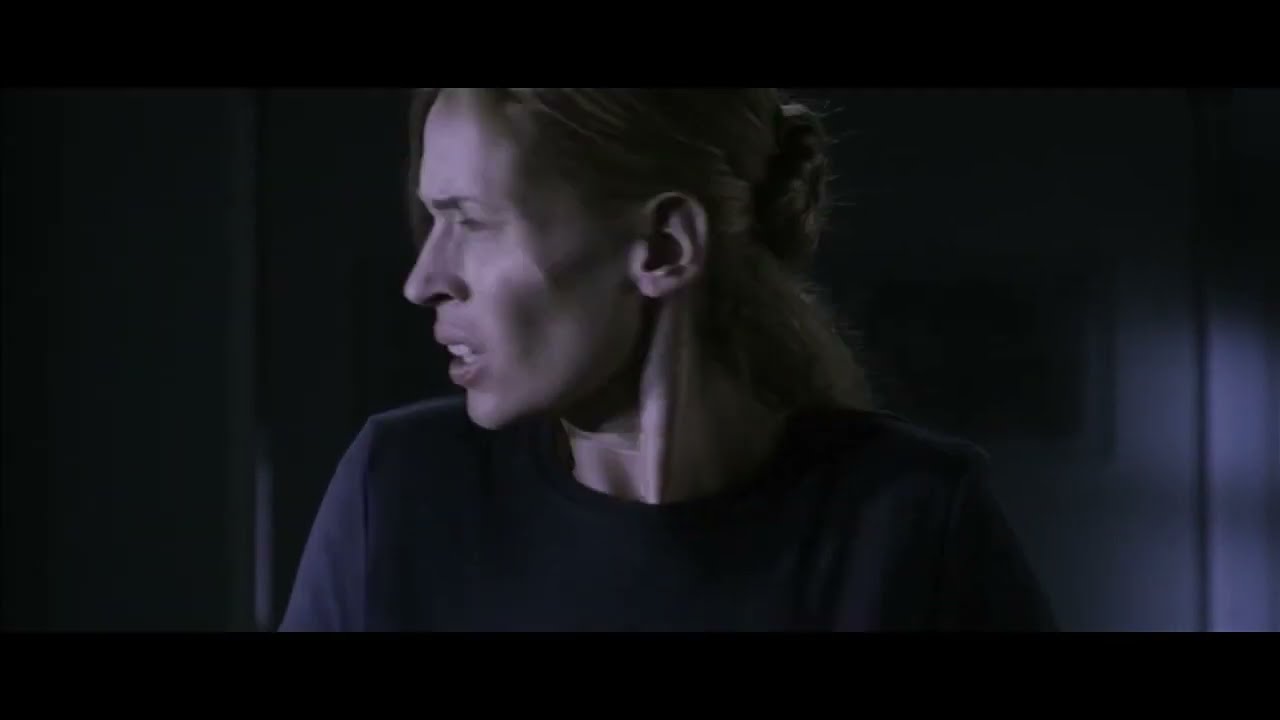
What distinguishes this setup from earlier entries is its emotional focus. Possession here is not about spectacle alone. It is about erosion. The trailer frames memory as a haunted house of its own, each corridor lined with regret, doubt, and unresolved trauma. Valak does not merely threaten Lorraine; it knows her.

Performances That Anchor the Supernatural
Vera Farmiga has always been the emotional spine of this franchise, but the early footage from The Nun 3 suggests a performance that cuts deeper than before. Her Lorraine is no longer just a conduit for visions; she is a woman confronting the cumulative cost of a lifetime spent staring into darkness. The trailer’s most talked-about image—Lorraine facing a distorted version of herself wearing the habit—lands not as a gimmick, but as a cruelly effective metaphor for self-condemnation.
Patrick Wilson’s return as Ed Warren adds a bruised, unexpected dimension. Long presumed lost after the previous confrontation, Ed emerges altered, carrying secrets that strain the couple’s unshakeable bond. Wilson plays him with a haunted restraint, blending tenderness with a simmering anger that suggests survival has come at a terrible price.
Atmosphere Over Excess
Visually, the trailer leans into suffocation rather than scale. The setting shifts to catacombs beneath Rome, collapsing chapels, and candlelit exorcisms that feel fragile and doomed from the start. The imagery favors shadow, stone, and silence over bombast. When violence erupts, it does so abruptly, as if the film itself cannot bear to hold it in any longer.
Director and cinematography choices emphasize decay and claustrophobia. Flickering light fractures faces. Religious iconography appears worn, cracked, and unreliable. Even moments of supposed sanctuary feel compromised, reinforcing the film’s central idea: there is no neutral ground left.
Key Elements Highlighted in the Trailer
- A slow-burn structure that prioritizes dread over constant shocks
- Psychological horror rooted in guilt, memory, and faith
- Visually striking religious symbolism used as emotional punctuation
- A restrained but deeply unsettling reveal of Valak’s true form
Horror as Reckoning
The most intriguing promise of The Nun 3 is its thematic ambition. This is not framed as just another haunting, but as a reckoning the Warrens were never meant to survive. The demon’s power lies not in claws or chants, but in its ability to ask the most terrifying question of all: what if your faith has cost you more than it has saved?
The trailer’s final moments, set within a collapsing chapel and drenched in blood and dust, suggest an ending driven by desperation rather than triumph. The horror here does not promise catharsis. It promises consequences.
Final Thoughts and Early Verdict
If the full film delivers on what the trailer implies, The Nun 3 may stand as the darkest and most emotionally resonant chapter in the franchise. It appears less interested in expanding lore than in deepening wounds. For longtime fans, this could feel like both a culmination and a confrontation.
Farmiga’s performance alone hints at something career-defining, while Wilson’s return restores a tragic humanity that grounds the supernatural chaos. The scares look effective, but more importantly, they look purposeful.
This is horror that listens to the silence after the scream. And sometimes, that silence is the most terrifying sound of all.
Rating
9.4/10