


An Unlikely Sequel That Feels Inevitable
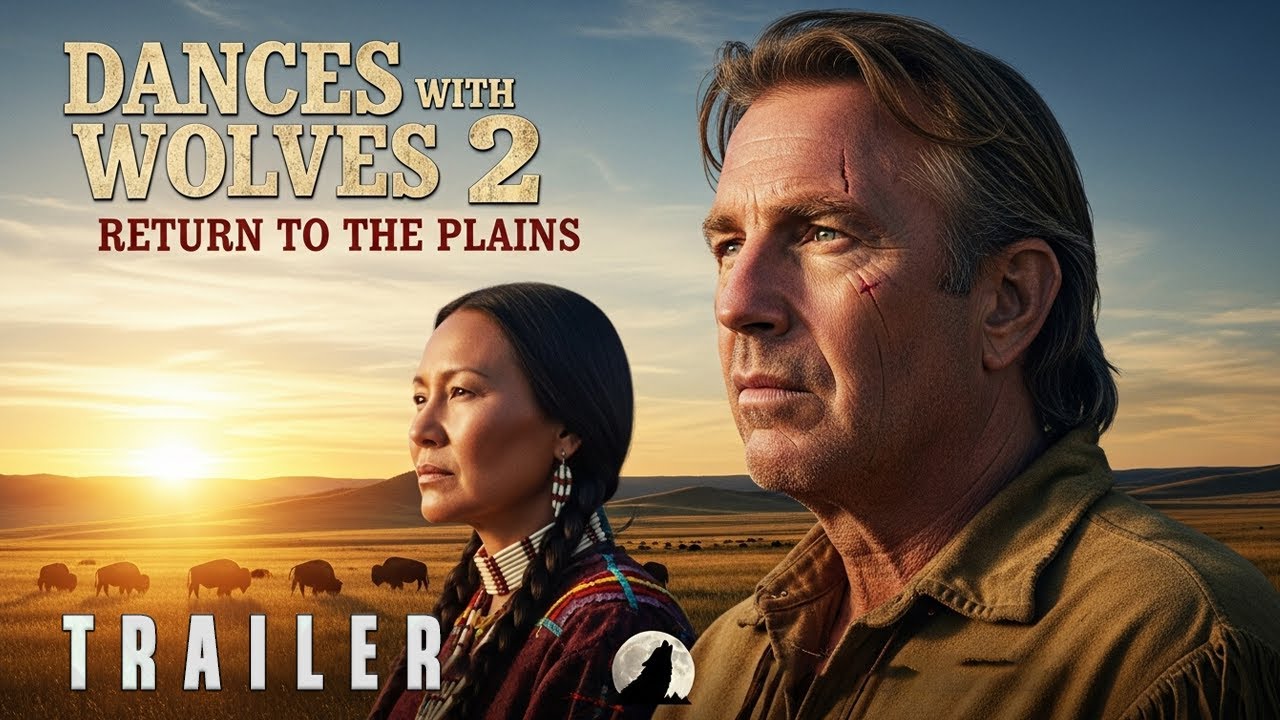
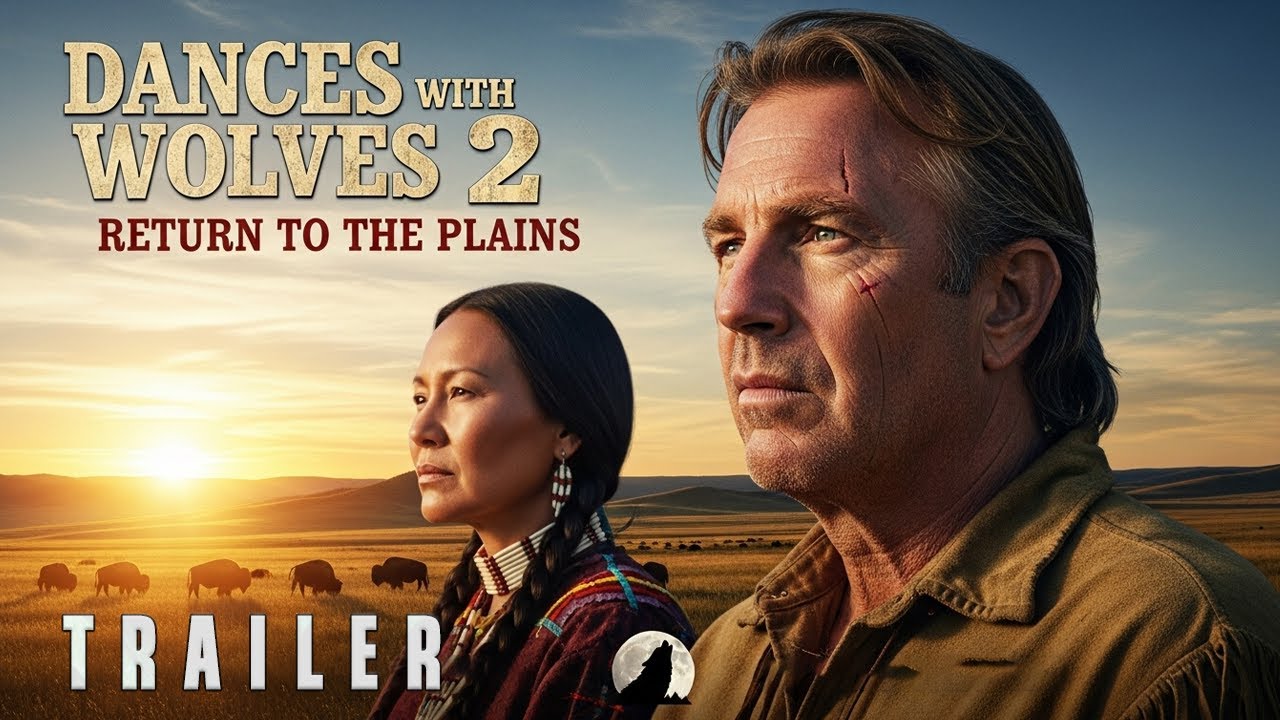
Sequels, especially to films held close to cultural memory, often arrive burdened by expectation and suspicion. Dances with Wolves 2: Return to the Plains arrives with something rarer: a sense of moral inevitability. This is not a film that exists to revisit past glory. It exists because the story was never finished.

Set decades after John Dunbar first crossed the prairie and crossed himself into another way of life, the film reframes the American frontier through the eyes of his son, a man raised between cultures and histories. As steel rails push westward and the modern world tightens its grip, the plains become a battleground not just of land, but of memory.

A Story Rooted in Inheritance and Identity
The central conflict is not between cavalry and tribe, but between remembrance and erasure. John Dunbar’s son, played with quiet gravity by Forrest Goodluck, emerges as a voice shaped by stories rather than slogans. He is neither a nostalgic idealist nor a cynic of progress, but a man forced to translate his father’s hard-earned wisdom into a language the future may no longer care to hear.

The screenplay understands something crucial: history is not a closed book. The arrival of railroads is depicted not as spectacle, but as intrusion. Each iron spike feels like punctuation in a sentence written without consent.
Themes That Resonate Beyond the Western Genre
- The cost of progress when it demands silence from the past
- Indigenous sovereignty as lived experience, not abstract debate
- Generational responsibility and cultural survival
Performances Anchored in Lived Experience
Forrest Goodluck carries the film with a performance that resists showiness. His strength lies in stillness, in the way he listens before he speaks. Kevin Costner’s return is restrained and purposeful, his presence more spiritual than physical, like a memory that refuses to fade.
Tantoo Cardinal and Irene Bedard bring a depth that comes not from exposition, but from history carried in posture and glance. Wes Studi, as always, commands the screen with a gravity that reminds us how rarely Hollywood has made room for voices like his, and how much richer cinema becomes when it does.
Direction, Cinematography, and the Language of the Land
The camera treats the plains not as postcard beauty, but as witness. Wide shots linger just long enough to let the land speak. This is a film that understands landscape as character, scarred but enduring.
The direction favors patience over momentum. Scenes breathe. Silence is allowed to remain silent. In an era of restless editing, this restraint feels almost radical.
Technical Highlights
- Natural lighting that honors the rhythms of the prairie
- A score that blends orchestral weight with Indigenous instrumentation
- Production design that avoids romantic excess in favor of authenticity
Elevating Indigenous Voices
What ultimately separates Return to the Plains from its predecessor is perspective. This is no longer a story about discovering Indigenous culture through an outsider’s eyes. It is a story told from within, shaped by voices that understand what has been lost, what has survived, and what is still at risk.
The film’s most powerful line, spoken softly rather than proclaimed, sums up its purpose: the plains are full of stories, and they are not finished. It is a statement of resistance and hope.
Final Verdict: A Necessary Continuation
Rated 9 out of 10, Dances with Wolves 2: Return to the Plains is bold without being loud, spiritual without drifting into abstraction, and necessary without feeling didactic. It understands that legacy is not about repetition, but responsibility.
This is a sequel that does not ask whether it should exist. It simply arrives, grounded in the land, carrying voices that refuse to be forgotten. And in doing so, it reminds us that cinema, at its best, does not just entertain. It remembers.