



Estimated reading time: 4 minutes

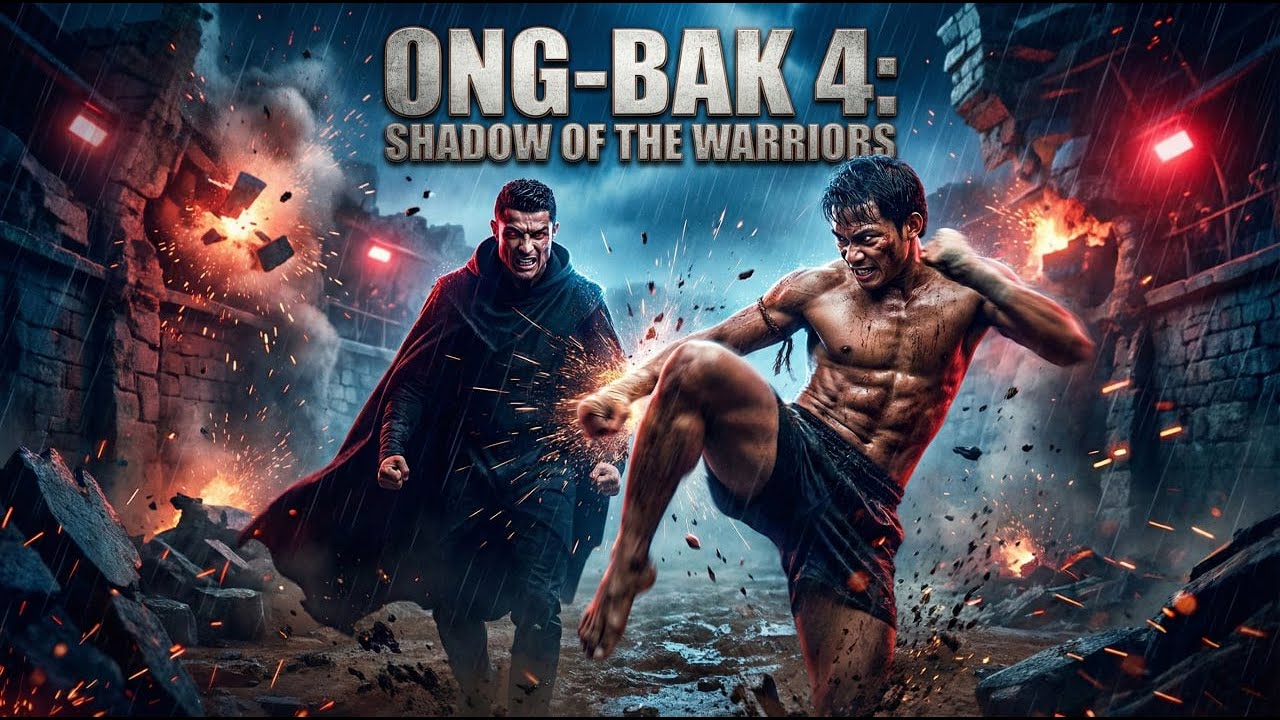
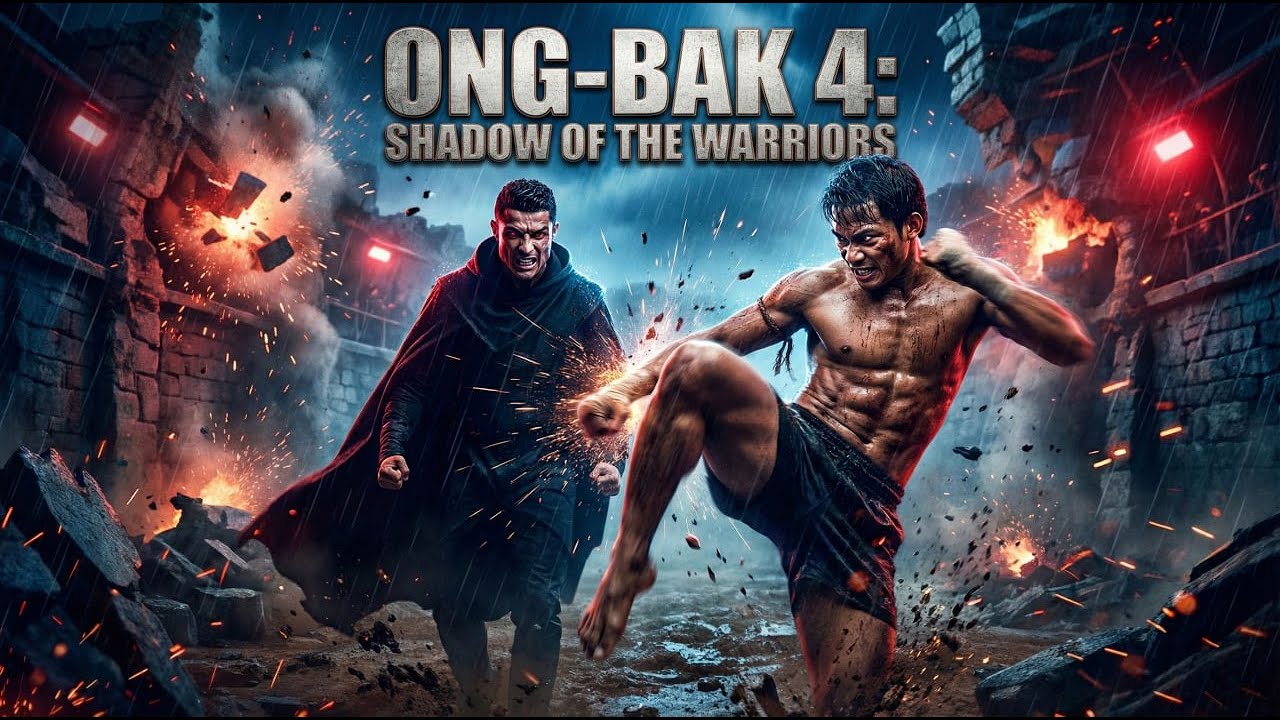
Some action franchises grow louder with age. Others grow wiser. Ong-Bak 4 belongs firmly in the latter camp. Tony Jaa’s return to the series is not a victory lap or a nostalgia play. It feels like a reckoning — with violence, with legacy, and with the physical toll of a life spent in combat. This fourth chapter reframes the franchise from pure spectacle into something more reflective, yet no less punishing.

A Return to the Bones of Muay Thai
From its opening moments, the film establishes a harsher emotional climate. The world is darker, stripped of excess, and grounded in consequence. The story centers on a warrior no longer trying to prove himself, but struggling to protect what still carries meaning. That narrative shift gives the action weight. Every confrontation feels less like choreography and more like a moral decision.

The filmmakers deliberately reject modern excess. There are no gravity-defying gimmicks, no digital shortcuts. Instead, the camera lingers. Impacts are allowed to breathe. Bones collide with an honesty that recalls the raw immediacy that first defined the series. Muay Thai is presented not as flashy entertainment, but as a discipline carved from endurance and sacrifice.
Tony Jaa’s Most Mature Performance
Tony Jaa brings a quiet gravity to the role that signals artistic growth. His character carries visible history — the posture of someone who has survived more battles than he celebrates. Dialogue is sparse, but expression does the heavy lifting. Pain, restraint, and resolve register in the pauses between strikes.
This restraint becomes the film’s emotional engine. Violence is no longer triumphant spectacle; it is consequence. Jaa’s performance suggests a warrior who understands that victory is never clean. The result is a portrayal that deepens the franchise’s mythology while grounding it in human vulnerability.
Action That Values Impact Over Excess
The choreography remains ferocious, yet it is guided by clarity rather than chaos. Long takes dominate key sequences, allowing viewers to appreciate both technique and endurance. The rhythm favors buildup over rapid editing, creating tension that explodes into bursts of controlled brutality.
What distinguishes these sequences is their tactile authenticity. Each exchange feels earned. Each fall carries weight. The film trusts the physical performance, and that trust pays dividends in immersion and credibility.
Thematic Depth Beneath the Fights
Beneath the shattered limbs and relentless pacing lies a meditation on legacy. The film questions what remains after a life defined by combat. Honor, faith, and personal code become central motifs, elevating the narrative beyond simple revenge mechanics. The fights are not interruptions to the story — they are the story, revealing character through motion.
Why Ong-Bak 4 Matters for Martial Arts Cinema
In an era where action films often chase spectacle, Ong-Bak 4 argues for something more grounded. It reminds audiences that martial arts cinema can still be intimate, disciplined, and emotionally resonant. The film does not attempt to outscale its contemporaries. Instead, it sharpens its focus, returning to fundamentals with renewed purpose.
- Authentic, bone-crunching Muay Thai choreography
- A mature, emotionally layered performance by Tony Jaa
- Long-take action sequences that emphasize realism
- Thematic exploration of honor, consequence, and legacy
Final Verdict
Ong-Bak 4 lands with the force of a seasoned fighter who no longer needs to shout to command attention. It is fierce, deliberate, and emotionally grounded — a sequel that evolves rather than repeats. By honoring the discipline at its core, the film reclaims the soul of martial arts cinema and proves that impact is not measured in volume, but in truth.