



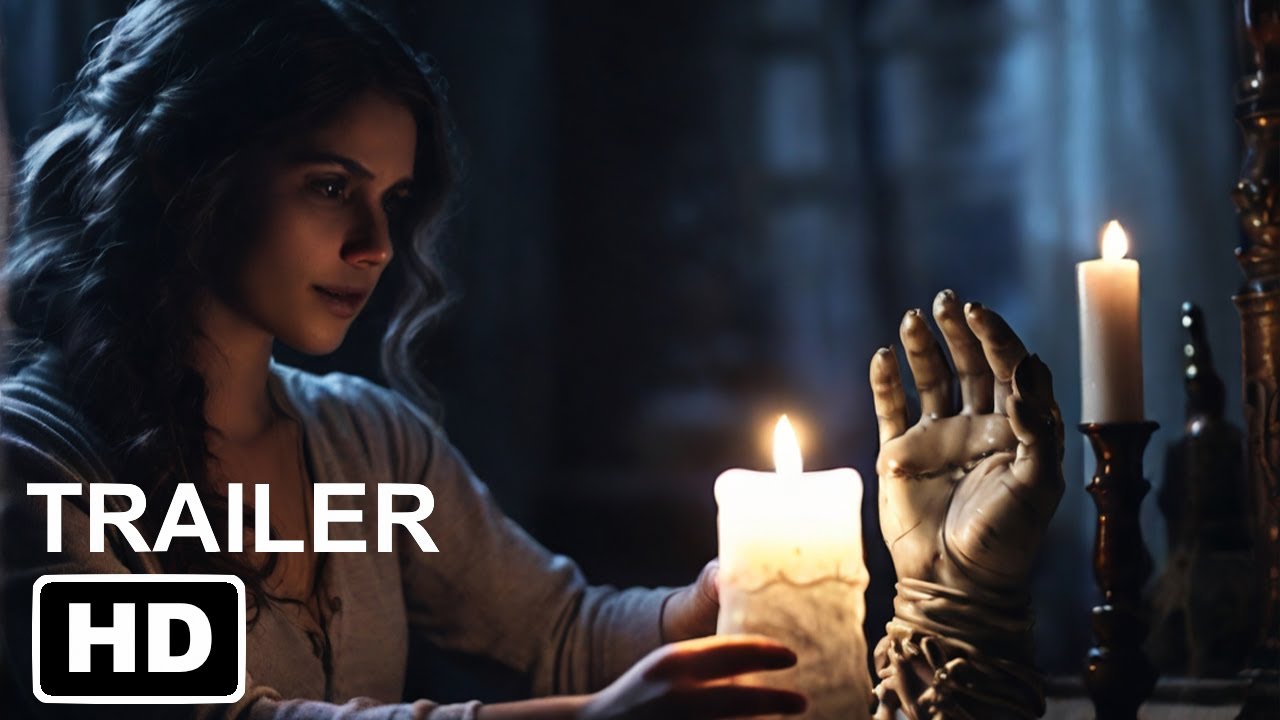
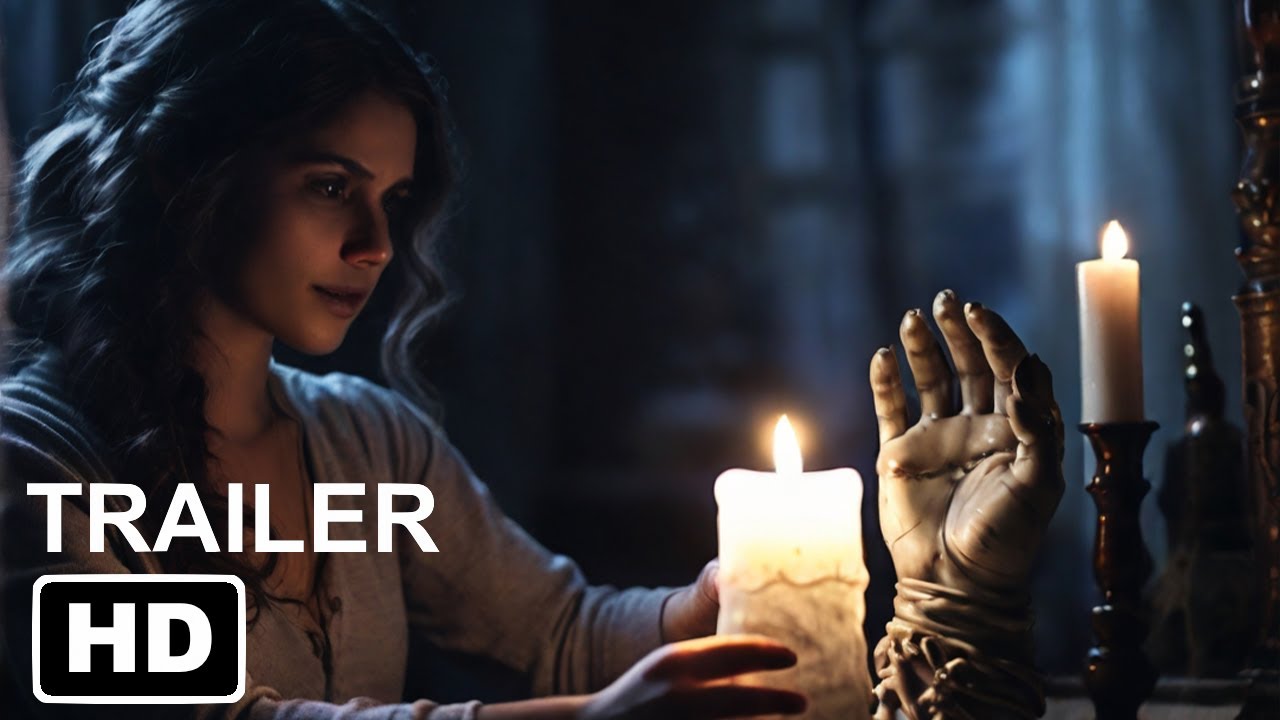
An Unwelcome Sequel That Earns Its Existence
Sequels in horror often arrive with a cynical agenda: repeat the scares, raise the body count, cash the check. Talk to Me 2 resists that temptation. Instead of trying to out-scream its predecessor, it leans inward, tightening the psychological vise and asking a far more unsettling question: what if possession isn’t a moment of terror, but a gradual negotiation for your life?

Set after the events of the first film, this sequel treats trauma not as backstory but as an active infection. The cursed ritual has escaped the confines of a single group and entered the bloodstream of adolescent curiosity. It’s whispered about, shared privately, and dismissed as myth until belief itself becomes the gateway.

Sophie Wilde and the Weight of Aftermath
Sophie Wilde returns with a performance that understands something essential about horror sequels: survival is not victory. Her character carries the residue of the first film like a low-grade fever, never quite breaking, never fully subsiding. Wilde plays this liminal state with restraint, allowing fear to manifest not in screams but in hesitation, silence, and mistrust of her own senses.

The film wisely refuses to reset her arc. Trauma here accumulates. It distorts perception, corrodes relationships, and leaves her vulnerable to a new entity that doesn’t need to announce itself. It simply waits.
A New Group, A Familiar Mistake
Joe Bird and Alexandra Jensen anchor the new ensemble with performances that feel lived-in rather than archetypal. These teens are not reckless caricatures chasing a cheap thrill; they are bored, curious, and quietly lonely. The ritual offers connection before it offers danger, which may be the film’s most incisive observation.
By the time the artifact tied to the original possession surfaces, the damage is already underway. The spirits in Talk to Me 2 do not lunge. They linger.
Psychological Horror Over Shock Value
This sequel understands that fear is most effective when it feels personal. The horror is invasive, not explosive. Hallucinations bleed seamlessly into reality, and the film often refuses to clarify what is real and what is learned behavior under supernatural influence.
The most disturbing idea introduced here is not possession itself, but permanence. These entities are no longer tourists borrowing bodies. They are students, absorbing mannerisms, emotional responses, and social cues. They are learning how to live by subtracting their hosts piece by piece.
Sound, Silence, and Suffocation
The sound design deserves particular praise. Voices rarely shout. They murmur. They interrupt thoughts mid-sentence. Silence is weaponized, creating an atmosphere where the absence of sound feels more threatening than its presence.
Visually, the film maintains a claustrophobic intimacy. Close framing and muted lighting trap characters in their own heads, reinforcing the sense that escape is not a matter of distance but of identity.
Themes That Linger After the Credits
Talk to Me 2 is ultimately about erosion. It explores how repeated exposure to something harmful can normalize the unbearable, and how young people, in particular, can mistake danger for belonging.
- The cost of curiosity when consequences are delayed
- Trauma as an open door rather than a closed chapter
- The fear of being replaced rather than destroyed
These themes are handled with confidence and restraint, trusting the audience to connect the dots rather than spelling them out.
Does the Sequel Justify Itself?
Yes, because it evolves rather than imitates. Talk to Me 2 understands that the most frightening evolution of a horror concept is not escalation, but adaptation. By shifting focus from the spectacle of possession to the psychology of coexistence, the film finds new ground to haunt.
It is darker, quieter, and more suffocating than the first film. Some viewers may miss the sharper jolts of shock, but those willing to sit with discomfort will find something far more enduring.
Final Verdict
Talk to Me 2 is a rare horror sequel that respects both its audience and its own mythology. It doesn’t ask how loudly fear can scream. It asks how softly it can whisper before you mistake it for your own voice.
Once you let it in, the film suggests, it doesn’t need to chase you. It already knows where you live.