





Snow & Son: The Night of the King – A Haunting Return to a Familiar Realm
Estimated Reading Time: 4 minutes

In Snow & Son: The Night of the King, the fairytale we thought we knew is reshaped into something darker, heavier, and far more contemplative. This is not a simple continuation of Snow White’s story; it is a meditation on legacy, power, and the uneasy tension between mercy and control. As a dark fantasy epic, the film dares to ask what happens after “happily ever after” fades into memory.

Plot Overview: When Prophecy Overshadows Peace
Years after ascending the throne, Snow White has become a queen defined by restraint and compassion. Her reign has been steady, guided not by vanity or vengeance but by a learned humility born of past suffering. Yet peace, as this film insists, is fragile.

Her son—born during a rare lunar eclipse—has grown into a thoughtful but conflicted young man. He carries within him a dual inheritance: the gentle wisdom of his mother and a shadow he cannot name. On the eve of his coronation, the sky darkens unnaturally, and an ancient prophecy resurfaces:
“When the child of snow wears the crown at night, a king shall rise — or the world shall fall.”
From beyond the forest’s ruins emerges the Night King, not as a snarling villain but as a forgotten sovereign erased from history. Bound to the same dark magic once wielded by the Evil Queen, he claims the prince as his rightful heir—arguing that the world requires fear and order, not love and leniency.
Themes: Mercy vs. Control
What elevates Snow & Son: The Night of the King beyond spectacle is its thematic ambition. The film is less concerned with good versus evil and more invested in contrasting philosophies of governance.
- Compassion as strength: Snow White represents the belief that kindness is not weakness but endurance.
- Fear as stability: The Night King embodies the argument that order forged through fear prevents chaos.
- Inheritance and identity: The young prince stands between these ideologies, forced to decide which legacy defines him.
This ideological conflict gives the film an unexpected gravity. It feels less like a fantasy adventure and more like a political allegory draped in myth.
Performances and Character Depth
The actress portraying Snow White brings a quiet authority to the role. She is no longer the wide-eyed girl of folklore but a ruler weathered by responsibility. Her performance is subtle, grounded in pauses and measured glances rather than grand speeches.
The young prince is the emotional core of the story. His internal struggle—between inherited light and looming darkness—feels authentic. Meanwhile, the Night King avoids caricature. He is composed, persuasive, and eerily rational. By refusing to render him purely monstrous, the film allows moral ambiguity to seep into every scene he inhabits.
Visuals and Atmosphere
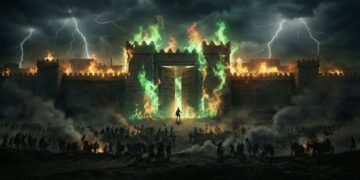
Visually, the film leans heavily into gothic imagery. The encroaching black sky, frost-covered battlements, and forests swallowed by moonlight create a palpable sense of dread. The production design emphasizes contrast: pale marble halls against inky shadows, white cloaks fluttering in a wind that seems to whisper warnings.
The use of darkness is particularly effective. Night is not merely a backdrop; it becomes a character in its own right, symbolic of memory and buried truth.
Strengths and Weaknesses
What Works
- Thoughtful expansion of classic fairytale lore
- Complex antagonist with ideological depth
- Strong atmospheric world-building
- A mature exploration of leadership and legacy
Where It Falters
- Pacing occasionally slows under the weight of exposition
- Some secondary characters lack development
- The prophecy device feels familiar within the fantasy genre
Final Verdict
Snow & Son: The Night of the King succeeds not by dazzling the audience with relentless spectacle, but by inviting reflection. It transforms a beloved tale into a meditation on power’s moral burden. The film suggests that leadership is not defined by crowns or bloodlines, but by the choices made when darkness falls.
For viewers who appreciate dark fantasy with philosophical undertones, this film offers a compelling and atmospheric experience. It may not redefine the genre, but it enriches it—proving that even the most familiar fairytales can still surprise us when viewed through a shadowed lens.