



An Aging Master, a Worsening World
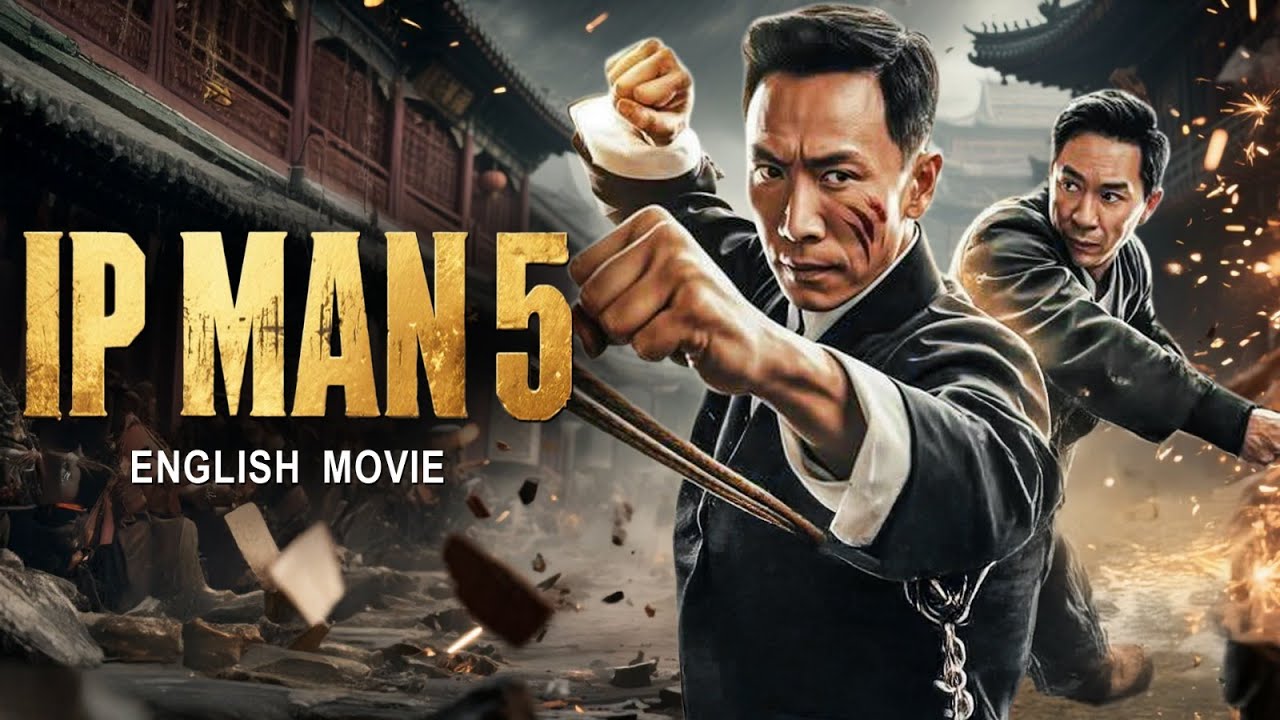
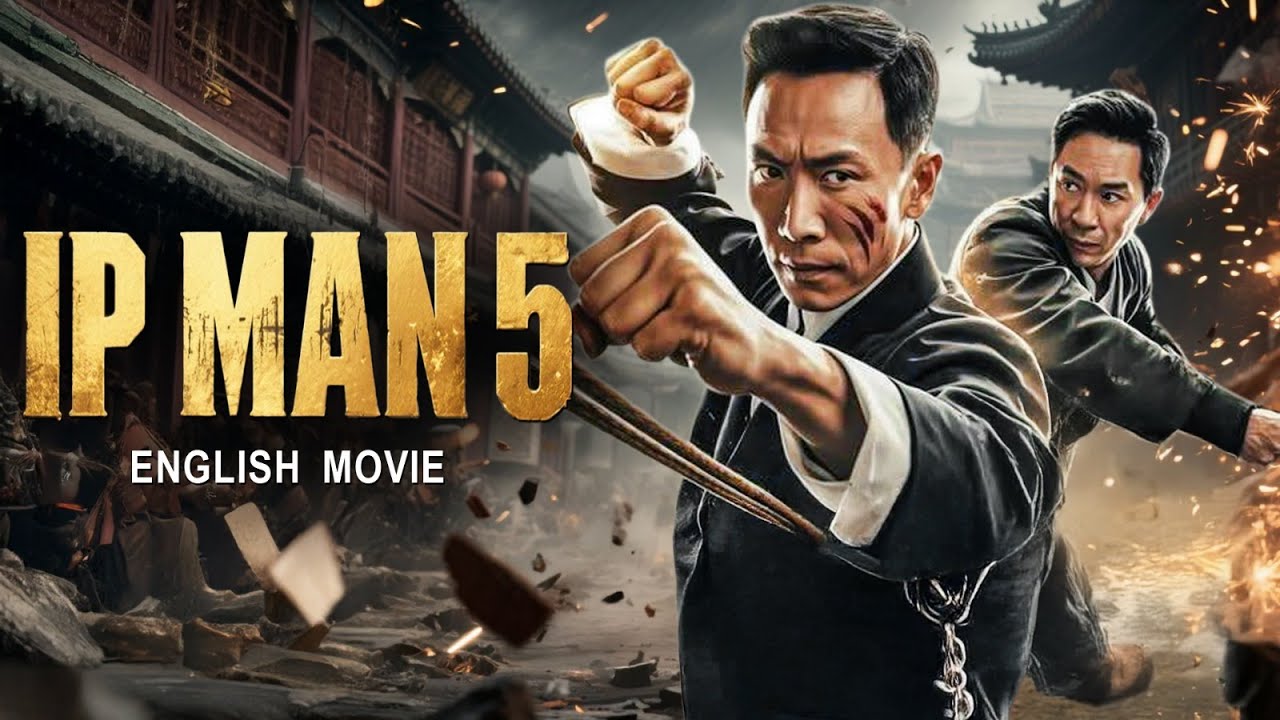
By the time Ip Man 5: Iron Fist of Honor opens, the franchise has earned the right to slow down and think. This fifth installment is not content to merely break bones with balletic precision; it wants to ask what remains of honor when power rewrites tradition. Donnie Yen returns to the role that defined a generation of martial arts cinema, and he does so with the calm gravity of a man who knows this may be his final bow.

Set against a near-future Asia where a ruthless fight organization has absorbed martial arts schools into a single, profit-driven machine, the film frames kung fu not as spectacle, but as inheritance. Techniques are bought. Masters are silenced. Students are threatened into obedience. What is being erased is not just tradition, but memory.

Story and Themes
The plot is deceptively simple. Ip Man stands alone against institutional corruption, refusing to submit his school to a governing body that treats combat as content and discipline as branding. On the other side stands an iron-fisted enforcer played by Dwayne Johnson, a figure of rage and raw authority whose loyalty is to order, not justice.

Director and writers wisely build the film around contrasts:
- Calm versus rage
- Speed versus power
- Tradition versus commodification
At its best, the film echoes classic kung fu philosophy: that restraint is a greater strength than dominance, and that true mastery is invisible until tested. This is not nostalgia for its own sake; it is an argument for continuity in a world obsessed with disruption.
Performances
Donnie Yen as Ip Man
Yen plays Ip Man with remarkable restraint. His movements are economical, almost reluctant, as if each strike carries moral weight. There is a sadness in his eyes here, the recognition that victories no longer restore what has been lost. It is one of Yen’s most emotionally layered performances in the series.
Dwayne Johnson as the Enforcer
Dwayne Johnson is cast against type in a role that demands menace more than charm. His character is not a villain in the traditional sense, but a man who believes strength must be imposed to preserve order. Johnson’s sheer physicality turns every encounter into a looming threat, and the film smartly uses his power as a philosophical counterpoint to Ip Man’s efficiency.
Supporting Cast
Wu Jing brings a sharp-edged intensity as a rival master forced into reluctant cooperation, while Liu Yifei adds emotional texture as a guardian of cultural memory, reminding the audience what is truly at stake. Neither performance feels ornamental; both deepen the film’s moral landscape.
Action and Choreography
The fight sequences are brutal, clean, and refreshingly purposeful. Unlike many modern action films, Iron Fist of Honor never confuses volume for impact. Each fight advances character or theme. The climactic confrontation between Ip Man and Johnson is not just a test of speed versus power, but of worldview versus worldview.
The choreography emphasizes:
- Tight framing and readable motion
- Minimal wire work
- Clear cause-and-effect combat
When fists collide, you feel the cost.
Cinematography and Direction
Visually, the film favors muted tones and controlled compositions, reinforcing the idea of a world slowly losing its color and soul. Training halls feel sacred; corporate arenas feel sterile. This visual contrast quietly supports the narrative without calling attention to itself.
The pacing is deliberate, sometimes almost meditative, but it earns that confidence. This is a film unafraid of silence, of pauses between blows, of letting ideas breathe.
Philosophy Over Spectacle
What ultimately elevates Ip Man 5: Iron Fist of Honor is its insistence that martial arts cinema can still be about ideas. It argues that honor is not nostalgia, but resistance. That speed and technique are meaningless without purpose. And that rage, no matter how powerful, is always slower than clarity.
In an era where franchises often collapse under their own weight, this entry feels unexpectedly vital.
Final Verdict
Ip Man 5: Iron Fist of Honor is brutal, thoughtful, and emotionally resonant. It respects its audience enough to believe they want more than spectacle. For longtime fans, it feels like a dignified continuation. For newcomers, it stands as a powerful meditation on what martial arts once meant, and what they still could.
Score: 9.8/10