


An Assassin at the End of His Road
After more than a decade of redefining modern action cinema, the John Wick saga arrives at a pivotal moment with John Wick 5: Redemption. This fifth chapter does not simply ask how many enemies John Wick can dispatch in creatively violent ways. Instead, it asks a quieter, more unsettling question: what remains of a man once survival is no longer enough?

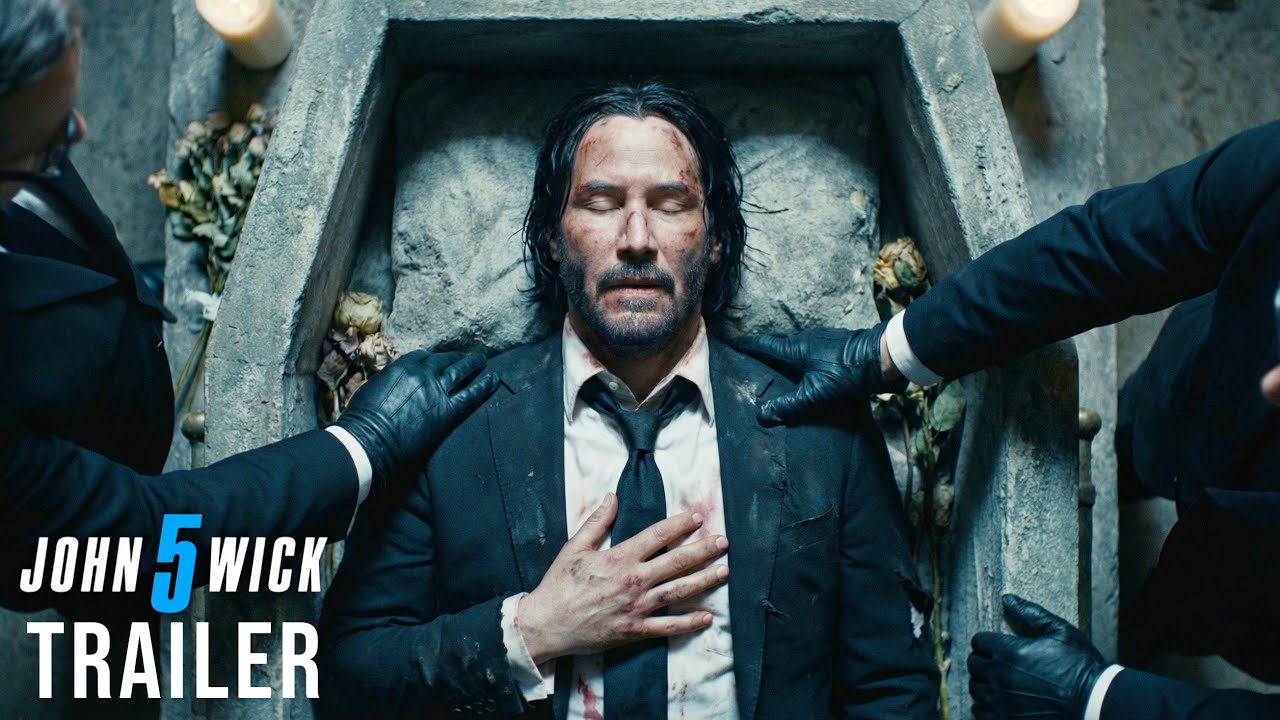
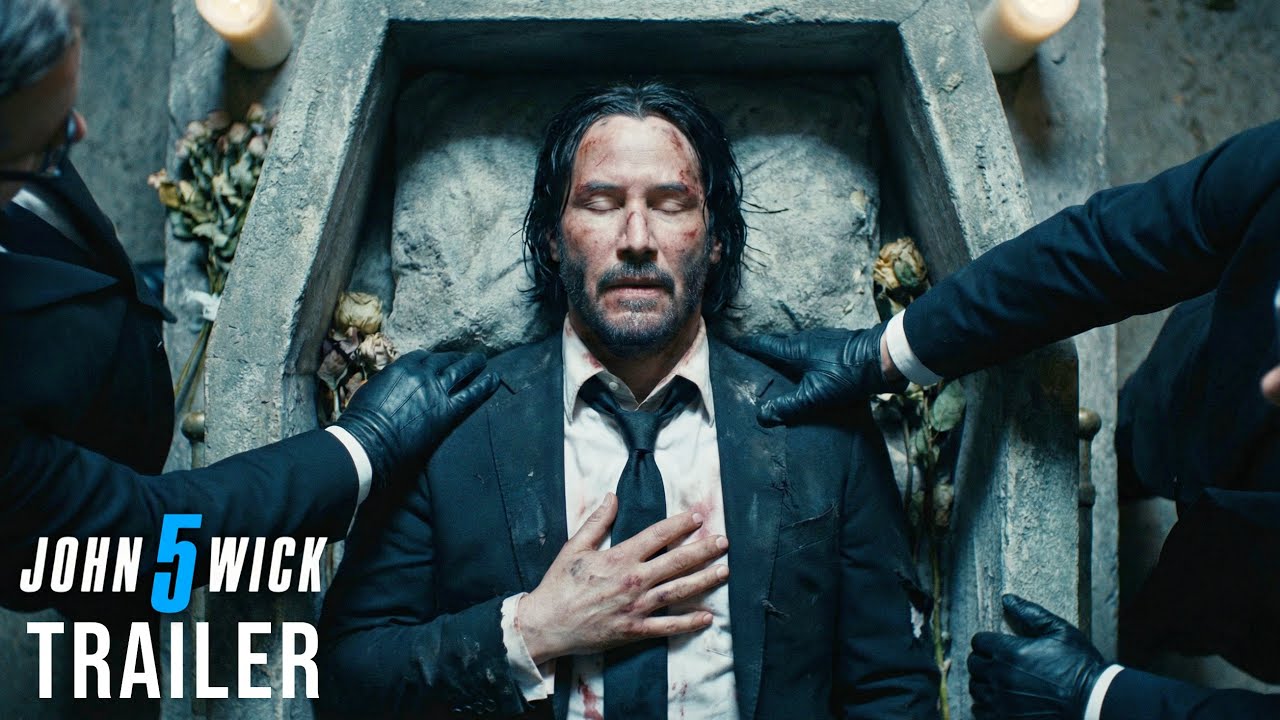
Picking up immediately after the events of the previous installment, the film finds John Wick battered, hunted, and spiritually exhausted. He is still lethal, still feared, but no longer illusioned about the cost of his legend. Director and creative team approach this chapter with a surprising sense of finality, framing the action as both spectacle and reckoning.

Plot Overview: Redemption Is a Dangerous Word
The story places John Wick at his most vulnerable. Enemies close in from every direction, not merely seeking his death but determined to erase what he represents. The underworld he once served has evolved, and there is no longer a place for myths. John embarks on a quest not for vengeance, but for absolution, attempting to right old wrongs while protecting the few connections he has left.

This narrative shift gives the film emotional weight. The stakes are no longer measured only in body counts but in moral consequences. Every decision John makes feels irreversible, and the screenplay wisely allows silence and stillness to do as much work as gunfire.
Keanu Reeves and the Weight of Experience
Keanu Reeves delivers one of his most restrained performances as John Wick. Age and weariness are not hidden here; they are essential to the character. Reeves plays Wick less as an unstoppable force and more as a man held together by muscle memory and grief.
The supporting cast, including returning allies and formidable new antagonists, understands the tone. No one plays this material for irony. The performances ground the film, giving credibility to a world that could easily collapse under its own operatic violence.
Action as Storytelling
The John Wick series has always treated action as language, and Redemption continues that tradition with confidence. The choreography remains jaw-dropping, but it is also more purposeful. Fights are not merely obstacles; they are conversations about power, loyalty, and survival.
- Hand-to-hand combat emphasizes exhaustion and desperation.
- Gunplay is precise, brutal, and stripped of glamour.
- Set pieces are staged with clarity, allowing geography and rhythm to guide the eye.
There is an elegance to the violence, but also a sobering awareness of its cost. This is action cinema that understands when to linger and when to pull away.
Direction, Cinematography, and World-Building
Visually, the film maintains the franchise’s signature neon-soaked aesthetic while introducing colder, more somber palettes. Shadows dominate the frame, reflecting John’s internal state. The camera often observes rather than chases, trusting the audience to absorb the choreography without excess editing.
The underworld mythology expands thoughtfully. Rules still exist, but they feel increasingly fragile, suggesting a system on the brink of collapse. This lends the film an almost elegiac quality, as though we are watching the final days of a brutal civilization.
Themes: Violence, Choice, and the Illusion of Peace
At its core, John Wick 5: Redemption is about the consequences of a life defined by violence. The film does not pretend that redemption comes easily, or at all. Instead, it suggests that peace may not be a destination, but a fleeting moment earned through sacrifice.
The screenplay explores:
- The burden of reputation and myth.
- The cost of loyalty in a transactional world.
- The possibility, and limits, of personal redemption.
These ideas elevate the film beyond genre expectations, inviting reflection even as the action accelerates.
Final Verdict: A Worthy and Thoughtful Chapter
John Wick 5: Redemption succeeds not because it escalates the action to absurd heights, but because it knows when to pause and look inward. It honors the series’ legacy while daring to ask what happens after the bullets stop flying.
This is not just another sequel. It is a meditation on endurance, identity, and the price of being unstoppable. For fans of the franchise and admirers of disciplined action filmmaking, this chapter stands as one of the most emotionally resonant entries in the series.
Rating: A powerful, bruising action drama that proves even legends grow tired of war.