



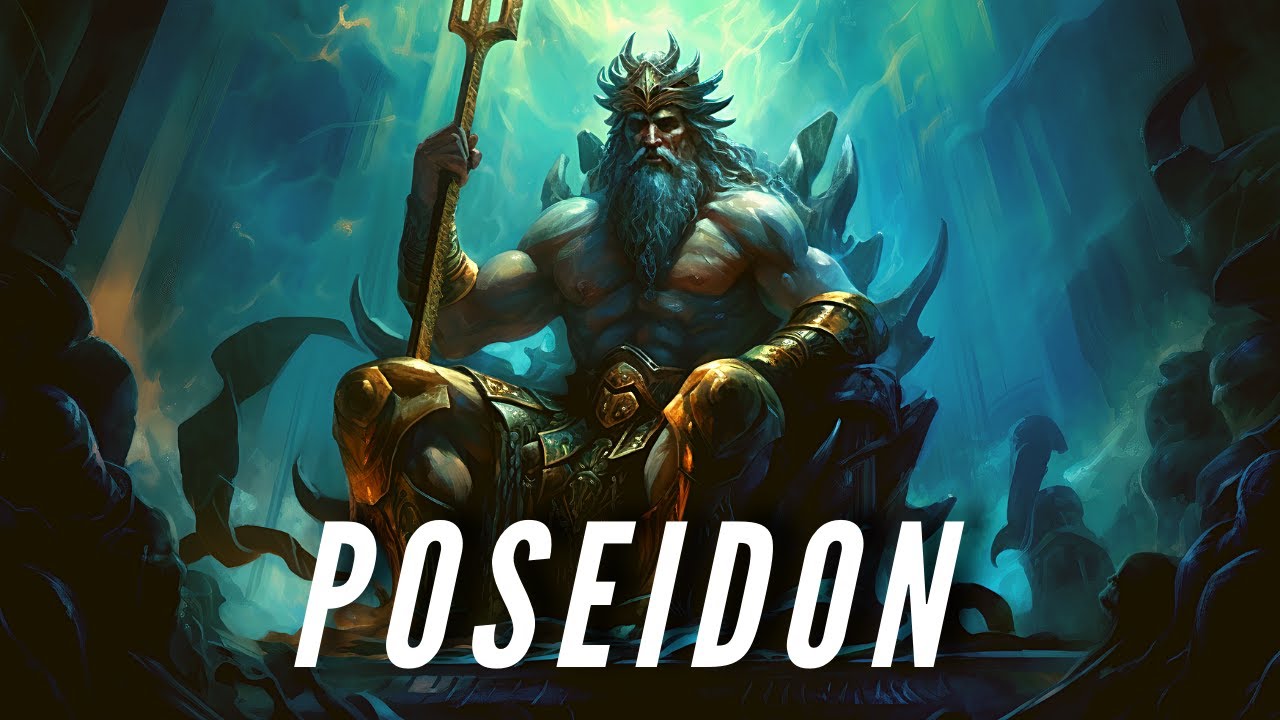
Poseidon: God of Seas (2026) – A Mythic Epic of Power, Wrath, and Sacrifice
In a world where myth and reality collide, Poseidon: God of Seas emerges as a visually stunning reimagining of one of the most powerful figures in ancient lore. Directed by a visionary who clearly understands the delicate balance between spectacle and story, the film presents a Poseidon (played by Jason Momoa) who is not only a god of immense power but a character with depth, vulnerability, and a haunting sense of loss.

The Plot: A Storm of Emotions
Set in a world that has forgotten the reverence of the gods, Poseidon is caught in a battle that extends beyond the physical. Torn between the wrath of the oceans and a forbidden love, he faces a world that seeks to exploit his power rather than worship it. As the seas rise with fury and the storm clouds gather, Poseidon must decide whether to save the civilization that once revered him—or to let the oceans consume everything in their path.

Jason Momoa’s Performance: A True Titan
Momoa, who brings a magnetic presence to the screen, imbues Poseidon with a deep sense of loneliness and regret. This is not the traditional image of a god whose power is unquestioned. Instead, we are introduced to a Poseidon who has become a reluctant ruler, burdened by the immense responsibility of controlling the seas. Momoa’s portrayal is nuanced, and the actor is able to convey the complex emotional landscape that lies beneath the character’s imposing exterior. His struggle with mercy, rage, and love is what makes Poseidon: God of Seas more than just a tale of godly wrath.

The Visuals: A Drenched Landscape of Myth
The cinematography in Poseidon: God of Seas is breathtaking. The special effects team has done a remarkable job of bringing the world beneath the waves to life. From the gleaming coral thrones to the desolate shipwrecked shores, the film is a visual feast that evokes the power and mystery of the ocean. The towering waves, dramatic storms, and the underwater kingdoms illuminated by bioluminescent life create a world that is as haunting as it is beautiful.
The Themes: Strength Through Restraint
At its heart, Poseidon: God of Seas is a film about balance. It explores the eternal conflict between power and restraint, domination and mercy. Poseidon’s internal struggle forms the emotional core of the film, as he grapples with the question of what it truly means to rule. As the ocean’s fury threatens to drown the world, Poseidon is faced with a choice that will determine the future of not only the earth but also the divine order.
Conclusion: A Cinematic Legend in the Making
In the end, Poseidon: God of Seas is more than just a mythic action film. It is a meditation on power, sacrifice, and the weight of responsibility. It asks profound questions about the nature of strength and the true cost of wielding it. The film’s epic scale, paired with a heartfelt performance by Jason Momoa, makes it a standout in the genre of mythological reimaginings.
As the film reaches its climax, Poseidon’s realization that he does not rule the sea by force but by carrying its burden encapsulates the movie’s message: true strength lies not in destruction but in the willingness to carry the weight of the world, even when it threatens to tear you apart.