



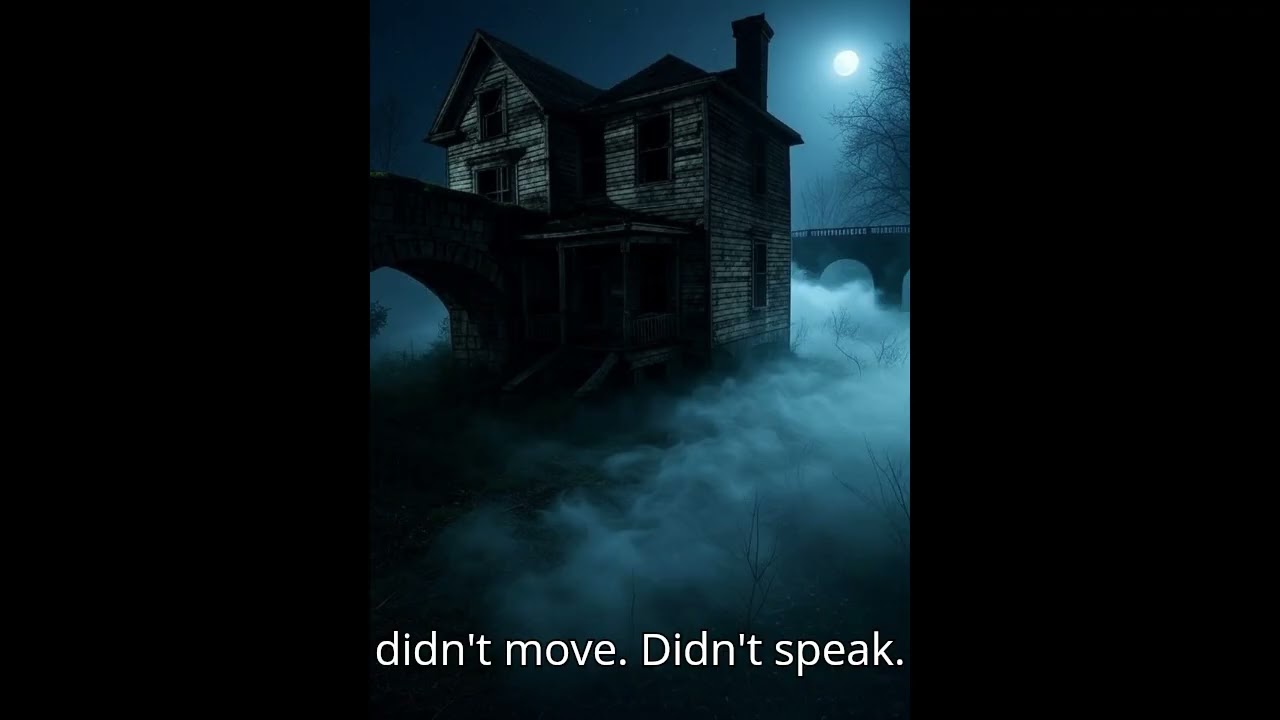
An Unassuming Heist Turns Into a Supernatural Descent
Some horror films announce their intentions loudly, with thunderclaps and ominous music. House on Willow Street (2016) is more deceptive. It begins like a familiar crime thriller: a group of desperate criminals plots a kidnapping, targeting the daughter of a wealthy family for a seemingly foolproof ransom. Within minutes, however, director Alastair Orr pulls the rug out from under both the characters and the audience. This is not a film about greed gone wrong so much as curiosity punished by forces far older and crueler than its human villains.

As someone who has watched horror cinema evolve over the past decade, I recognize this film as part of a modern trend that blends grounded realism with abrupt supernatural terror. The result is a movie that feels tight, claustrophobic, and increasingly merciless as it unfolds.

Plot Overview Without Spoilers
The premise is elegantly simple. Hazel, Mark, James, and Catherine break into a fortified home on Willow Street to abduct a young woman named Katherine. The plan is professional, efficient, and initially successful. But once inside the house, small inconsistencies begin to surface. The victim behaves strangely. The house itself feels wrong. Soon, it becomes horrifyingly clear that the criminals have not kidnapped a helpless girl, but unleashed something profoundly evil.

From this point forward, the film abandons conventional crime logic and embraces supernatural horror with unsettling confidence. Doors lock. Lights fail. Faith, skepticism, and survival instincts collide in ways that feel brutally inevitable.
Performances That Ground the Horror
The success of House on Willow Street rests heavily on its cast, and they largely deliver.
- Sharni Vinson brings emotional weight to Hazel, the group’s moral center. Her performance anchors the film, providing a human lens through which the escalating terror feels personal and earned.
- Steven Ward and Rohan Nichol effectively portray men driven by fear and self-preservation, gradually stripped of bravado as the night spirals out of control.
- Zelda Webb, as Katherine, deserves special mention. Her unsettling presence is key to the film’s dread, balancing vulnerability with something far more disturbing beneath the surface.
No one feels like a disposable archetype. These are flawed people making increasingly desperate choices, which makes their fate more disturbing than satisfying.
Atmosphere Over Excess
What impresses most is the film’s restraint. Rather than relying on constant shocks, Orr builds tension through silence, shadow, and confined spaces. The house itself becomes a character, its narrow corridors and sealed rooms amplifying a sense of entrapment.
The cinematography favors dim lighting and close framing, forcing the viewer to share the characters’ limited perspective. When supernatural elements finally assert themselves, they feel earned rather than gratuitous. The horror is not just seen, but felt, like a tightening grip that refuses to loosen.
Themes Beneath the Terror
At its core, House on Willow Street explores the illusion of control. The criminals believe planning and preparation can overcome any obstacle. The film methodically dismantles that belief, replacing it with a chilling suggestion: some doors should never be opened, no matter how carefully the lock is picked.
There is also an undercurrent of moral reckoning. While the film does not preach, it quietly asks whether certain crimes invite consequences beyond human law. In that sense, the supernatural horror feels less like a twist and more like a grim extension of the characters’ initial sin.
Pacing and Structure
The film runs at a lean pace, wasting little time on exposition. The first act establishes tension through methodical setup, the second escalates into chaos, and the final act plunges fully into nightmarish territory. Some viewers may wish for deeper mythological explanations, but the ambiguity works in the film’s favor. Fear thrives in unanswered questions.
Final Verdict
House on Willow Street is not a sprawling epic or a reinvention of the genre. What it is, however, is a sharp, intense horror film that understands the power of limitation. By confining its story to a single location and a small cast, it creates an experience that feels suffocating in the best possible way.
Rated 4.3 out of 5, the film earns its reputation as an intense and claustrophobic supernatural thriller. It is best suited for viewers who appreciate atmospheric dread over spectacle, and who understand that the most terrifying houses are not haunted by ghosts, but by truths we were never meant to uncover.